
The Art of Tea Brewing: China’s Gongfu Cha Method
Ever wondered how the Chinese prepare their tea? Well, in China, tea is more than just a drink. It is a practice of attention and respect. While everyday brewing can be simple, the Chinese culture uses a traditional method known as Gongfu Cha, which simply mean “tea made with skills.” Gongfu Cha’s preparation reveals the full character of fine leaves through carefully repeated infusions. Originating in the Chaoshan region of Guangdong and refined in Fujian, this approach has been taken up as a contemporary tea art in Taiwan, Hong Kong, and the Chinese mainland. Gongfu Cha method uses a high leaf-to-water ratio, small vessels, and short steeps to extract layers of flavor that a single long Western-style brew often misses.
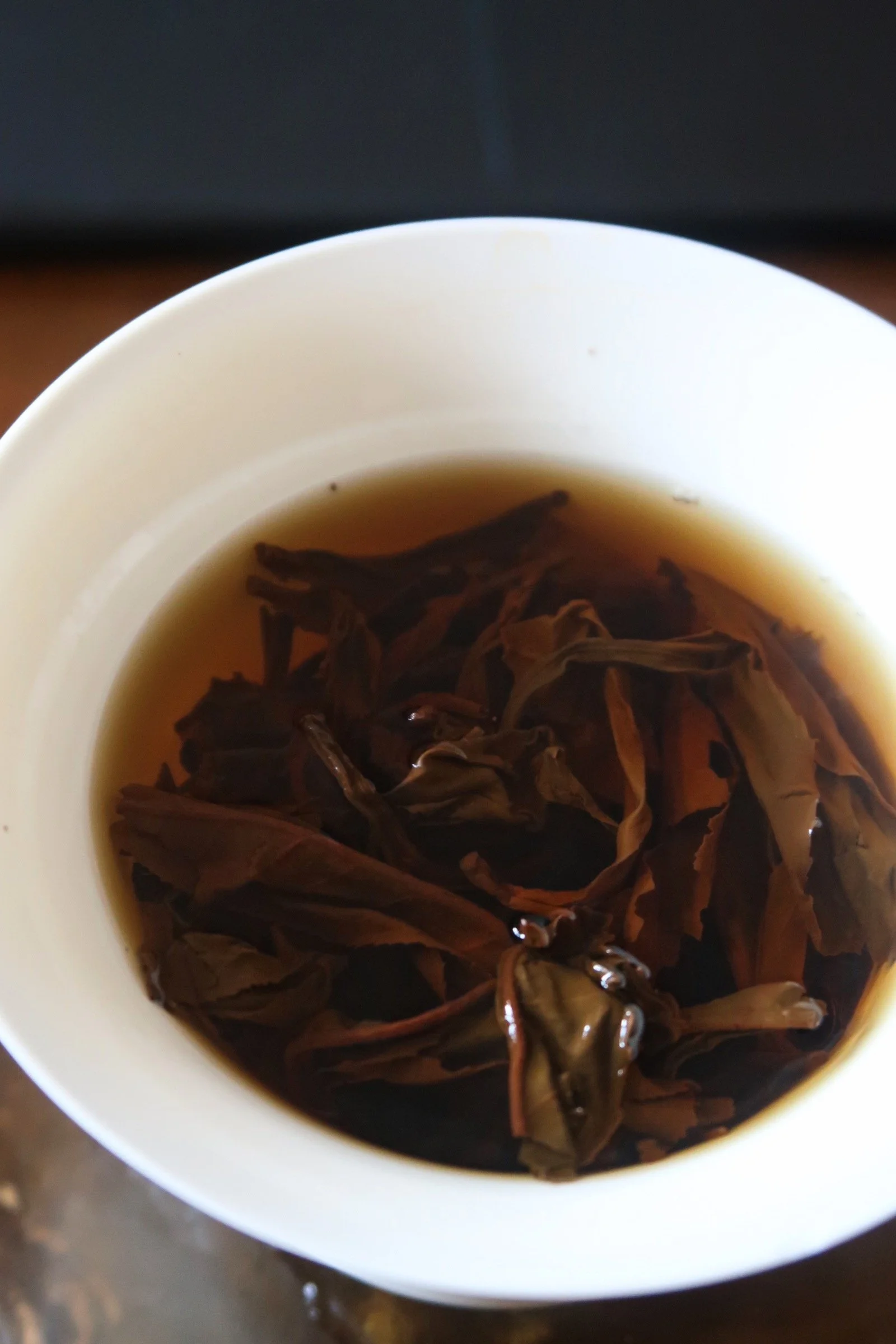
Basic Essentials
The basic tools used in Chinese tea brewing are modest and include a small porcelain gaiwan (lidded bowl) or Yixing clay teapot, a fairness pitcher (gong dao bei) to equalize the liquor, and tiny tasting cups. A tea tray is recommended to collect overflow and spillage. Water quality matters as it determines taste and notes outcome, with fresh, soft water being preferred.
Brewing/Preparation Steps
Brewing begins with warming. Hot water is poured into the vessel, swirled, and discarded into the cups to heat everything evenly. Dry leaves of about 5-7 grams are added to every 100 ml teapot or bowl. Many teas receive a quick rinse, where hot water is poured over the leaves and immediately discarded. This awakens the leaf, removes dust, and opens its structure. Rinsing is particularly useful for black tea (called hongcha or “red tea” in China), and Pu-erh.
Fresh hot water is then poured, and the first true infusion is brief. Steeping takes just 5–20 seconds, depending on the tea. The infused liquor is poured into the fairness pitcher and shared among the cups so every guest receives the same strength. Subsequent infusions gradually lengthen by a few seconds each time. A good leaf can yield 8 to 15 rounds, each revealing new notes as the leaves unfurl.
In preparation, temperatures vary by the type of tea locals use. Green teas prefer 75–85°C to protect delicate freshness. White teas sit around 80–90°C. Oolongs thrive at 85–100°C. Chinese black teas and Pu-erh often use near-boiling water. Delicate greens may skip the rinse and use cooler water, while compressed Pu-erh benefits from one or two rinses and vigorous heat.
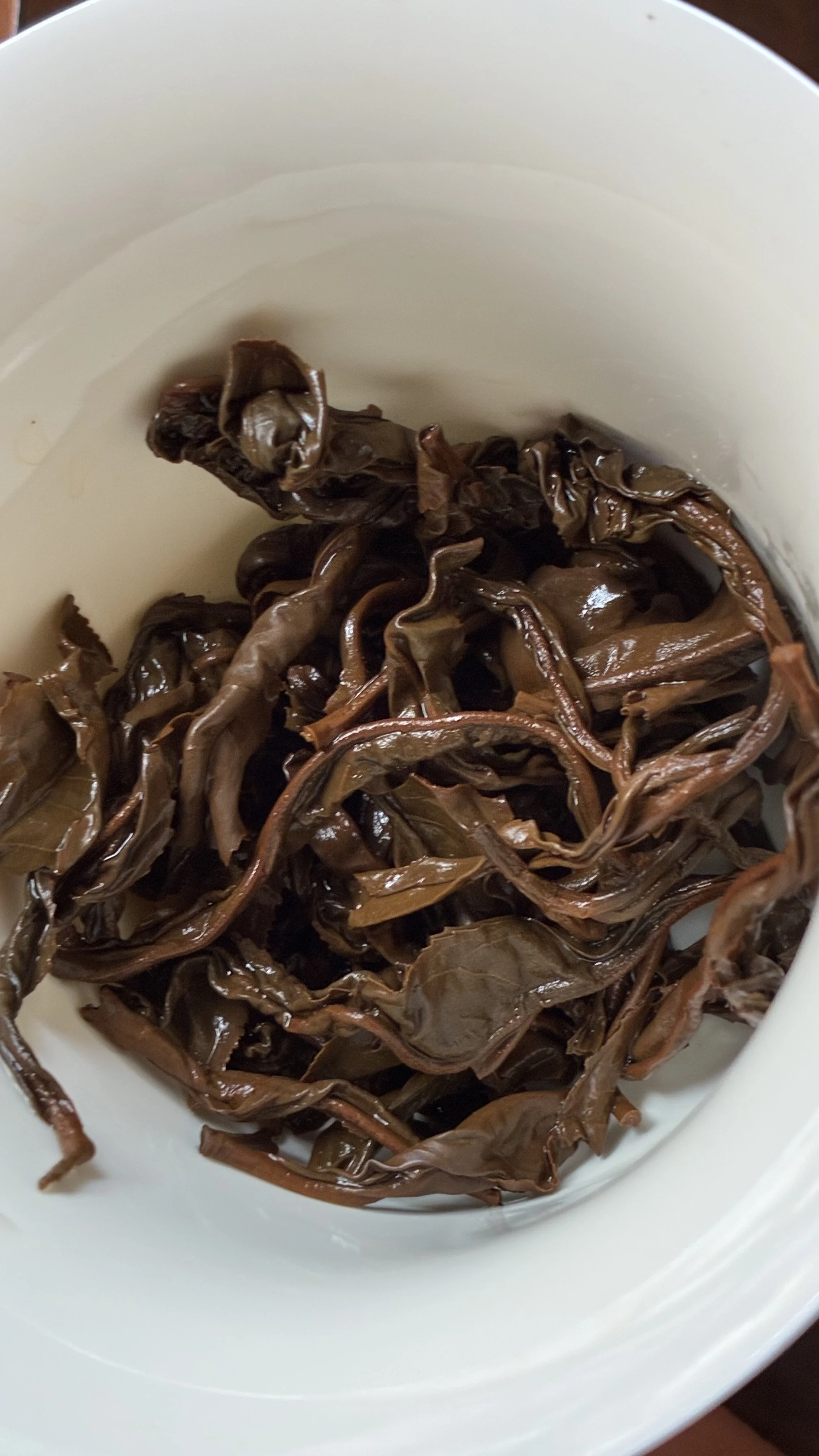
Whole tea leaves after a series of 4 short steeps.
Final Thought
Gongfu Cha is not just a tea preparation method but a practiced skill. It invites the drinker to notice every aspect. It may be noticing the aroma rising from the cup, the changing body of the liquor, or the lingering refreshing aftertaste that leaves one yearning for more. In Chinese tea culture, this method turns preparation into presence and slows the moment so the tea can speak.
.
At By Thompson, we celebrate this thoughtful approach. Whether you explore a classic oolong or one of our carefully sourced blends, try a few short steeps in a small vessel. You may discover depths that a single long brew never reaches and perhaps feel like a Chinese.